

Torre Guaceto is one of the best places in Puglia for travellers who want more than a conventional day at the beach. Stretching along the Adriatic coast between Carovigno and Brindisi, this protected landscape combines sandy beaches, low rocky coves, Mediterranean scrub, wetlands, farmland and clear sea around a 16th-century coastal watchtower.
What makes Torre Guaceto different from many famous beaches in Puglia is precisely what can make a first visit slightly confusing: you cannot simply drive to the sand, park beside the sea and choose any cove you like. Access is managed to protect the reserve, some parts of the marine area have stricter rules than others, and several beaches are deliberately left almost completely undeveloped.
Once you understand how the reserve works, however, it becomes a much more rewarding destination. You can spend a relaxed day at Punta Penna Grossa, walk or cycle towards the Aragonese tower, snorkel in permitted areas, explore Mediterranean habitats or combine the coast with the countryside and towns of northern Salento.
Torre Guaceto at a Glance: Quick Comparison
| Area | Best For | Beach Type | Services | Access |
|---|---|---|---|---|
| Punta Penna Grossa | Families, easy beach day, first-time visitors | Mostly sandy, shallow sections | Equipped lido, toilets and refreshments in season | Official parking + shuttle or approximately 1.2–1.4 km walk |
| Central reserve towards Torre Guaceto | Walking, nature and quieter coves | Sand, rocky stretches and small coves | Very limited | On foot or bicycle |
| Aragonese Tower area | Landscape, photography and history | Lagoon, rocks and small sandy sections | No conventional beach facilities | Best reached on foot or bicycle |
| Zone A beaches | Nature observation | Protected shoreline | None | Strictly regulated; swimming prohibited |
| Apani side | Rockier coast and quieter atmosphere | More rocky and rugged | Limited and seasonal | Separate southern access |
For summer 2026, the official Porta della Riserva parking area has 500 spaces. The daily car fee is €8 and includes the shuttle or small tourist train service towards Punta Penna Grossa. The parking area operates daily from 08:00 to 19:30, while the equipped beach operates from 09:00 to 19:00. These services are seasonal, so arrangements should always be checked before travelling outside the main summer period.
Why Visit Torre Guaceto?
If your priority is simply the easiest possible sandy beach with cafés immediately behind the sunbeds, there are more convenient choices along the Puglian coast. Torre Guaceto is worthwhile because the beach is only one part of the experience.
The protected marine area covers roughly 2,200 hectares and around eight kilometres of coastline, from Punta Penna Grossa towards the Apani rocks. The sea is divided into Zones A, B and C with different levels of protection, while the land behind the coast includes dunes, wetlands, Mediterranean vegetation and agricultural areas.
This gives the reserve a noticeably less urbanised feel than places such as Polignano a Mare or the beaches immediately around Monopoli. Instead of rows of buildings behind the shore, much of the horizon is formed by vegetation, farmland and low dunes.
For photographers and walkers, the best part is generally not the first beach reached from the shuttle. Continue towards the tower and the landscape becomes progressively more varied, particularly when the low afternoon light reaches the dunes and the pale stone of the watchtower.
Best Things to Do in Torre Guaceto
Spend the Morning at Punta Penna Grossa
Punta Penna Grossa is the most straightforward introduction to Torre Guaceto and the sensible choice if you are travelling with young children, beach equipment or anyone who does not want a long walk.
The shoreline here is predominantly sandy, with sections where the water remains relatively shallow close to shore. Conditions obviously depend on wind and sea state, but on calm mornings this is one of the easiest parts of the reserve for swimming.
The official summer lido provides umbrellas, sunbeds, toilets and a refreshment point. Half-day lido sessions are generally divided between a morning and afternoon slot during the summer season, but booking conditions and operating hours can change, so it is worth checking the reserve’s official information shortly before visiting.
You do not have to use the equipped lido. Free beach areas remain available, but bring more water than you would for an urban beach because facilities become scarce as soon as you walk farther into the reserve.
In July and August, arriving near opening time makes a substantial difference. The combination of parking, shuttle and walking means that reaching the beach at midday is considerably less pleasant, particularly with children and bags.
Walk from Punta Penna Grossa Towards the Tower
The most satisfying way to understand Torre Guaceto is to move beyond Punta Penna Grossa rather than remaining in the first accessible section all day.
Follow the coastal paths southwards towards the Torre Aragonese. The landscape gradually changes between sandy shore, low dunes, Mediterranean scrub, wetland vegetation and small rocky sections.
You do not need to walk all the way to the tower to appreciate the difference. Even an additional 20–30 minutes beyond the busiest beach sections brings you into quieter surroundings.
Wear proper sandals or lightweight walking shoes rather than relying entirely on flip-flops. Some stretches are easy, but heat and uneven natural ground make a longer summer walk more tiring than the distance suggests.
If the beach is the priority, walk early in the morning and swim afterwards. If photography is more important, reverse the plan: spend the hottest part of the afternoon near the sea and approach the tower later, when the light becomes softer.
See the Aragonese Tower
The Torre di Guaceto is the visual symbol of the reserve. The existing watchtower is linked to the coastal defence system developed in the 16th century, although the site itself had been important for navigation and settlement much earlier.
Today the tower is also associated with historical and archaeological interpretation of the area. Access to its interior should not be assumed to be available every day independently, so guided activities and opening arrangements are best checked directly with the reserve.
Even if you do not enter the tower, the walk is worthwhile. The best photographic compositions are usually obtained from a little distance rather than standing directly underneath it. Move back along the approach path so that the tower sits above the vegetation and coastline instead of filling the entire frame.
The surrounding lagoon is especially attractive in the late afternoon, but this is also where visitors need to pay close attention to protection rules.
Understand Where You Can and Cannot Swim
This is one of the most important things to know before visiting Torre Guaceto.
The marine reserve contains Zone A areas under integral protection. Swimming is not allowed in these sections. In summer 2026, the reserve specifically identifies the lagoon beside the Aragonese tower and the last two coves before the tower when approaching from north to south as areas where bathing is prohibited.
Do not assume that an inviting stretch of clear water is automatically open for swimming. Signs on the ground take precedence over what you may have seen in an old travel article, map or social-media post.
Swimming is permitted in appropriate parts of the protected marine area under the rules applying to each zone, generally from dawn to sunset where bathing is authorised.
Try Seawatching or a Guided Nature Activity
If you want more than a beach day, Torre Guaceto is one of the better coastal reserves in Puglia for guided activities. The official programme can include trekking, cycling excursions and seawatching, which focuses on observing the protected marine environment.
Activities and prices change, so book through the reserve rather than relying on old third-party schedules.
A guided marine activity is particularly worthwhile for families with older children or travellers interested in ecology because the value of Torre Guaceto lies as much in what is protected beneath the water as in the colour of the sea from the beach.
Explore the Reserve by Bicycle
Cycling is arguably the best compromise between covering enough territory and still experiencing the reserve slowly.
Bicycle rentals and guided cycling activities are available through the reserve’s visitor services during periods of operation, with equipment options that can also make the experience suitable for families.
A bicycle becomes especially useful if you want to combine Punta Penna Grossa, the central reserve and the tower without spending a large part of the day walking under the summer sun.
Outside July and August, cycling becomes even more attractive. April, May, late September and October can be excellent for exploring the terrestrial reserve because you are not constantly looking for shade.
The Al Gawsit Visitor Centre
The Centro Visite Al Gawsit is located at Serranova, inland from the beaches, and is worth considering if you want to understand the reserve rather than only photograph it.
The centre uses multimedia displays, Mediterranean aquariums, dioramas and archaeological material to explain the landscape from the seabed to the Mediterranean scrub. It also includes a reconstruction of the Bronze Age settlement at Torre Guaceto and archaeological finds discovered in the reserve.
Allow roughly 45–75 minutes for a visit, or longer when joining a workshop or guided programme.
For a one-day summer visit focused mainly on swimming, I would not sacrifice the best morning beach hours for the visitor centre. It fits better at the end of the day, during poor beach weather or as part of a second day exploring the inland side of the reserve.
Best Beaches in Torre Guaceto
Punta Penna Grossa
Best for: first-time visitors, families and anyone who wants some services.
This is the logical beach for most travellers. There is sand, easier access via the official shuttle system and an equipped section in season. It is also the part most likely to feel busy on summer weekends.
Walk away from the principal arrival point if you want more space, but remember that every additional ten minutes also increases the walk back with your equipment.
The Central Coves
Best for: couples, walkers and travellers looking for a more natural atmosphere.
Moving towards the tower brings a mixture of small sandy areas and rocky sections. Services quickly disappear. This is where carrying water, sun protection and suitable footwear matters.
Do not select a cove simply because nobody else is swimming there: check the reserve signage first, as protected Zone A sections are located close to the tower.
Apani
Best for: travellers who prefer rockier coastal scenery and want to see another side of the reserve.
The southern Apani side feels different from Punta Penna Grossa. The coast becomes more rugged and rocky, and it is less suited to travellers whose idea of a perfect beach requires a broad sweep of soft sand.
For that reason, I would prioritise Punta Penna Grossa on a first visit and keep Apani for a second day or for anyone specifically interested in exploring the whole protected coastline.
Best Places for Photography, Sunrise and Sunset
Torre Guaceto faces the Adriatic, so sunrise is the natural choice for photographers who want the sun over the water. The practical drawback is that organised summer services may not yet be running, so early-morning access requires more planning.
For most visitors, late afternoon is easier and still very rewarding. The sun moves behind the land rather than setting into the sea, creating warmer light on the tower, dunes and Mediterranean vegetation.
The most useful photographic sequence is to approach the tower from the Punta Penna Grossa direction, stopping before reaching it. From this side, you can include both the coastline and the tower in the frame. Standing immediately next to the building generally produces a less interesting perspective.
Avoid making midday your main photography period in July and August. Strong overhead light flattens the vegetation and the exposed paths are at their least comfortable.
How to Get to Torre Guaceto
Getting to Torre Guaceto by Car
For most travellers, a car remains the easiest option.
From the SS379 Bari–Brindisi road, follow the exit for Torre Guaceto–Punta Penna Grossa and then continue towards the official access area. For the visitor centre, use the Serranova exit and continue towards the village. The reserve can also be approached from the Apani side for the southern sector.
Do not plan on driving all the way to the beach. Restricting motor traffic is part of the management model of the reserve.
Getting to Torre Guaceto by Train
Carovigno railway station is roughly 8 km from the reserve, while Brindisi station is considerably farther away.
This makes the train possible but not particularly convenient on its own. The practical solution is generally train plus taxi, pre-arranged transfer or a seasonal public transport connection.
Do not expect to step off a regional train and walk comfortably to the beach. The last section is exactly where advance planning matters.
Getting to Torre Guaceto by Bus
STP Brindisi operates seasonal services linking Brindisi with Torre Guaceto and the coastal area towards Torre Santa Sabina. Timetables are seasonal and can change, so departure times should always be checked shortly before travelling.
If you are staying in Brindisi without a car, this is one of the first transport options worth investigating before relying on taxis.
Parking at Torre Guaceto
The main official parking area is Porta della Riserva, outside the protected zone.
For summer 2026:
- 500 parking spaces are available;
- car parking costs €8 for the full day;
- the shuttle or tourist train is included in the parking price;
- the parking area operates from 08:00 to 19:30;
- the route from the parking area towards the beach is approximately 1.2–1.4 km if walked instead.
Online parking reservations are not normally necessary for the standard official parking procedure, with payment made on arrival according to the current system. Keep your ticket until you leave.
In peak August periods, arriving early is still preferable even with a large official car park. The inconvenience is not only whether a space is available: later arrival means stronger heat, more people waiting to move towards the beach and a less pleasant walk if you choose not to use the shuttle.
Getting Around Torre Guaceto
Think of Torre Guaceto as an area to explore on foot, by shuttle and by bicycle, not by car.
The official shuttle is useful for reaching the first main beach. After that, walking becomes part of the visit. If you have mobility limitations or very young children, it is better to base the day around Punta Penna Grossa rather than planning a long expedition towards the tower.
For travellers who want to explore substantially more coastline, a bicycle saves both time and energy.
Accessibility
The reserve has made specific provisions for visitors with disabilities. The equipped beach includes accessible areas and equipment designed to make access to the sea easier during the summer season.
That does not mean the entire reserve is equally accessible. Natural paths, sand and longer distances make the wilder sections significantly more demanding than the equipped beach area.
Visiting Torre Guaceto with Children
Torre Guaceto works well with children if you plan the day around their age.
With toddlers or a pushchair, use the official shuttle and stay mainly around Punta Penna Grossa. A long midday walk towards the tower while carrying beach equipment is unlikely to improve the day.
With older children, cycling or one of the reserve’s guided environmental activities can make the visit far more interesting than simply spending several hours under an umbrella.
The reserve is also a good place to introduce children to the idea that protected coastlines work differently from conventional beaches: animals, plants, shells and marine life are there to be observed rather than collected.
Dogs are not permitted inside the protected reserve, a restriction designed to safeguard wildlife and nesting birds.
What to Eat Around Torre Guaceto
The most interesting food here is closely connected with the agricultural landscape surrounding the reserve rather than with a long line of beachfront restaurants.
Look in particular for the Pomodoro Fiaschetto di Torre Guaceto, a historic local tomato variety protected as a Slow Food Presidium, as well as extra-virgin olive oil produced from agricultural land around the reserve.
Torre Guaceto is also associated with sustainable small-scale fishing, making locally sourced seafood particularly relevant when eating in nearby coastal towns.
At Punta Penna Grossa, the seasonal refreshment point is useful for a simple beach lunch, but for a proper evening meal it makes more sense to drive inland to Carovigno or towards the coast at Torre Santa Sabina rather than expecting the reserve itself to function as a restaurant district.
Where to Stay Near Torre Guaceto
There is no conventional resort centre called “Torre Guaceto”, so choosing accommodation is really about deciding what type of holiday you want.
Carovigno
Best for: restaurants, practical access, exploring by car and combining the reserve with inland towns.
Carovigno is one of the most balanced bases. You are close enough for an early start at the reserve but still have a real town around you in the evening.
Torre Santa Sabina and Specchiolla
Best for: travellers whose priority is staying close to the sea.
These coastal settlements offer more of a conventional seaside atmosphere than the reserve itself and make it easy to alternate Torre Guaceto with other swimming spots.
Ostuni
Best for: couples, restaurants, evening atmosphere and travellers using Torre Guaceto as one of several day trips.
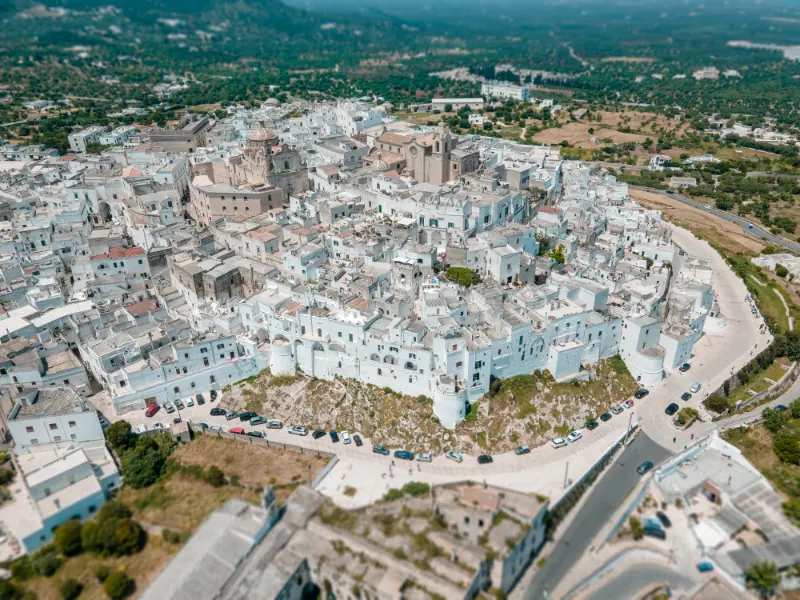
Ostuni is farther from the reserve than Carovigno but considerably more interesting after sunset. If you are visiting Puglia for several days rather than building the entire holiday around the beach, it is often the stronger overall base.
Brindisi
Best for: travellers without a car, airport access and public transport.
Brindisi is particularly practical if you plan to use seasonal public transport to Torre Guaceto rather than hire a car.
Best Time to Visit Torre Guaceto
May and June
Probably the best balance between warm weather, greener vegetation and manageable crowds. June is especially attractive once seasonal beach services are operating.
July
Reliable beach weather and full summer services, but noticeably hotter. Explore paths early and use the middle of the day for swimming and shade.
August
The busiest and hottest period. Torre Guaceto remains worthwhile, but arrive early. The weeks around Ferragosto require more patience almost everywhere on the Puglian coast.
September
One of the best months when weather conditions cooperate. The sea remains warm, while crowds usually ease after the first part of the month.
October to April
Better for walking, cycling, birdlife and landscape than for a conventional beach day. Seasonal parking, shuttle and lido arrangements should not be assumed to operate outside summer.
How Long Do You Need at Torre Guaceto?
Half a day: enough for Punta Penna Grossa and a short walk.
One full day: ideal for most visitors. Combine the beach with a walk or cycle towards the tower.
Two days: worthwhile if you want guided nature activities, the visitor centre, cycling and the Apani side without rushing.
If you only have two or three hours, do not attempt to “see the whole reserve”. Spend the time around Punta Penna Grossa and walk far enough south to get a sense of the landscape.
One-Day Torre Guaceto Itinerary
08:00–08:30: arrive at Porta della Riserva and park before the main heat.
08:30–11:00: spend the morning at Punta Penna Grossa and swim while the beach is still relatively quiet.
11:00–13:00: walk or cycle south through the reserve. Stop at quieter sections rather than rushing directly to the tower.
13:00–15:30: have lunch and stay in the shade. Avoid making this the main trekking period in July or August.
15:30–17:30: return to the sea in an authorised swimming area or join a guided activity if booked.
17:30 onwards: approach the tower area for softer light and photography, remembering that swimming is prohibited in designated Zone A sections.
Two Days at Torre Guaceto
On the first day, follow the beach-focused itinerary above.
Use the second day for the Al Gawsit Visitor Centre, a guided trekking or cycling activity and the less familiar southern side towards Apani. Finish with dinner in Carovigno rather than returning immediately to one of the better-known tourist centres.
Best Places to Visit Near Torre Guaceto
Carovigno
The most natural inland combination, particularly for dinner or an evening stroll after the reserve.
Ostuni
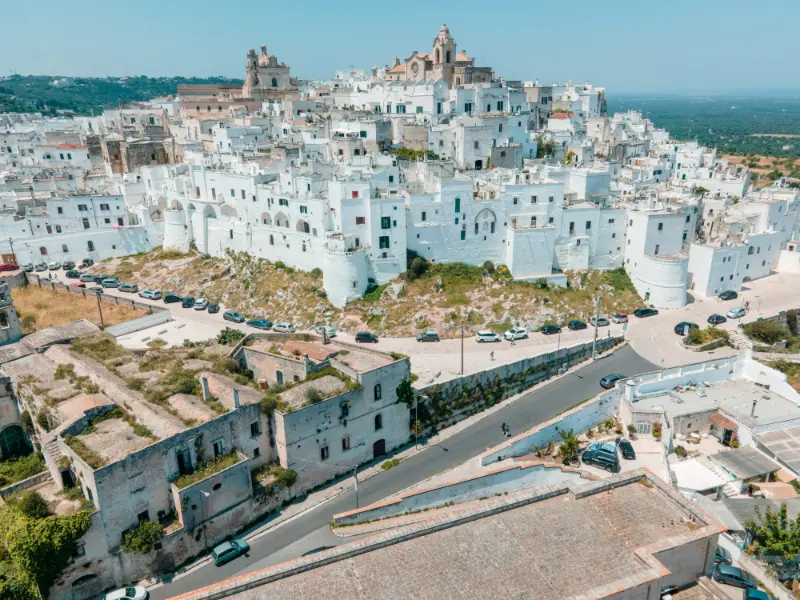
Ostuni is an excellent choice if you want to combine nature with one of Puglia’s best-known white hill towns. Visit Torre Guaceto in the morning and Ostuni from late afternoon into the evening rather than trying to walk the old town during the hottest part of the day.
Brindisi
A good option for travellers interested in history and waterfront scenery. The harbour promenade provides an entirely different setting from the undeveloped coast of Torre Guaceto.
Torre Santa Sabina
A useful coastal stop if you want restaurants and a more conventional seaside village after spending the day inside the protected area.
Important Rules to Know Before Visiting
Torre Guaceto is not managed like an ordinary public beach.
Motor vehicles are prohibited inside the protected area, drones are not permitted without specific authorisation, amplified music is restricted and visitors must not disturb or collect wildlife. Dogs are also prohibited within the reserve.
In the integral protection sections of Zone A, swimming is forbidden.
The restrictions should be treated as actual conservation rules rather than suggestions. The relatively undeveloped appearance of Torre Guaceto is precisely the result of limiting activities that would be considered normal on many other Italian beaches.
Is Torre Guaceto Worth Visiting?
Yes, particularly if you appreciate natural coastlines and are willing to trade immediate convenience for a better-preserved environment.
It is less suitable for someone looking for nightlife, rows of beach clubs or a car park directly behind the sand. It is also unnecessary to devote two full days to the reserve if beaches are only a secondary part of your Puglia trip.
For most travellers, one carefully planned day is ideal: arrive early, swim at Punta Penna Grossa, explore beyond the busiest section, reach the tower area later in the day and respect the distinction between swimming beaches and protected Zone A shoreline.
The mistake is treating Torre Guaceto as a single famous beach. The reason to come is the complete landscape around it.
Frequently Asked Questions About Torre Guaceto
Is Torre Guaceto beach free?
Yes. There are free beach sections within the reserve. You only pay for services you choose to use, such as parking or an equipped lido position. In summer 2026, official car parking costs €8 for the day and includes the shuttle service.
Can you drive to Torre Guaceto beach?
No. Cars remain outside the protected area. From the official Porta della Riserva parking area you continue by shuttle, bicycle or on foot.
How far is the parking area from Punta Penna Grossa?
The walking distance is approximately 1.2–1.4 km, depending on the exact beach access point. Most summer visitors carrying beach equipment use the included shuttle.
Can you swim everywhere in Torre Guaceto?
No. Swimming is prohibited in Zone A integral-reserve areas, including designated sections around the lagoon and tower. Always follow current on-site signs.
Is Torre Guaceto suitable for children?
Yes. Punta Penna Grossa is the most practical section for families, particularly when using the shuttle and staying close to the equipped beach. Longer walks through the reserve are better suited to older children.
Can I bring a dog to Torre Guaceto?
No. Dogs are not permitted within the reserve because of wildlife protection requirements, including the protection of nesting birds.
Do you need a car to visit Torre Guaceto?
A car is the easiest option, but not absolutely necessary during periods when seasonal public transport operates. Travellers staying in Brindisi should check current STP Brindisi summer connections before deciding to hire a car.
Which is better, Torre Guaceto or the beaches near Monopoli?
Choose Torre Guaceto for nature, protected landscapes, walking and a less developed coastline. Choose the Monopoli area if you want to move easily between several beaches, restaurants and a historic town in the same day.
Which is better, Torre Guaceto or Punta Prosciutto?
Punta Prosciutto is the stronger choice if your main priority is a long sandy beach and shallow Ionian water. Torre Guaceto offers a more varied experience because the beach is combined with a protected marine reserve, wetlands, walking routes and the historic tower.
Plan your stay