
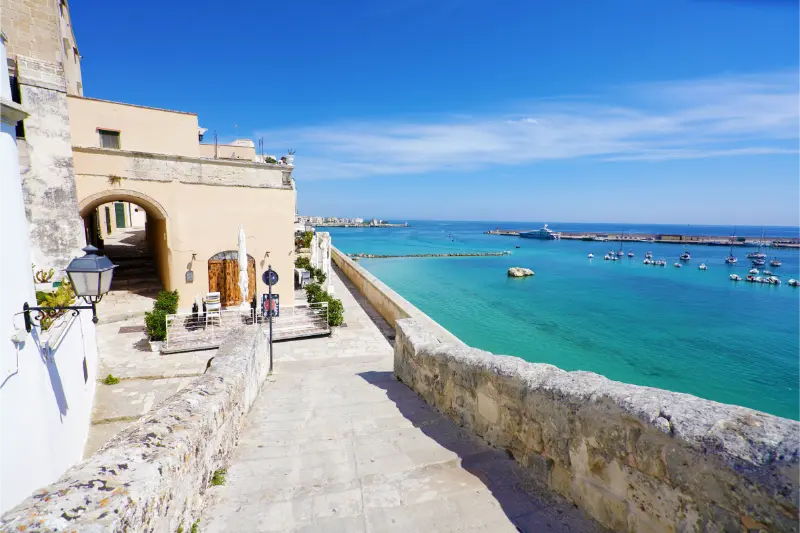
Choosing where to stay in Otranto is less about finding the hotel with the highest rating and more about choosing the right area for the trip you actually want. A room that is perfect for a car-free weekend can be frustrating for a beach holiday, while a beautiful resort can feel isolated if you imagined walking to dinner every night.
For a first visit without a car, stay between the historic centre and the waterfront. For a beach-focused holiday, look north toward Baia dei Turchi and Alimini. If you have a car and want space, a pool and quieter evenings, the countryside outside Otranto is usually the better fit.
This guide uses an area-first approach: understand the neighbourhood or coastal base, its practical advantages and its trade-offs, and only then compare accommodation. The hotel examples below are real properties verified as operating in 2026, but availability, services and rates change, so always check the current booking page before committing.
Where to Stay in Otranto at a Glance
| Area | Best for | Main advantage | Possible drawback |
|---|---|---|---|
| Historic Centre | First-time visitors, couples | Atmosphere, sights and restaurants on foot | ZTL, luggage and parking |
| Waterfront & city beach | Without a car, short stays | Sea and centre together | Busy in high summer |
| Modern town / station side | Value, train travellers, drivers | Practical access and easier parking | Less romantic setting |
| Baia dei Turchi & Alimini | Beach holidays, nature | Excellent coast and resort feel | Car useful; seasonal |
| Countryside toward Maglie | Masserie, couples, road trips | Quiet, pools and parking | Not walkable to dinner or beach |
Historic Centre — best for atmosphere and a first visit
Inside and immediately around Otranto’s old walls you are close to the Aragonese Castle, cathedral, harbour, restaurants and the evening passeggiata. This is the area that makes the strongest impression on a short first visit because you can leave the room and immediately feel part of the town rather than commuting into it.
Pros
- Everything important is walkable
- Best evening atmosphere
- Excellent for couples and 1–2 night stays
Cons
- Historic access restrictions and limited parking
- Cobblestones and steps can be awkward with heavy luggage
- Summer evenings can be lively
Accommodation picks
Hotel Palazzo Papaleo — A polished historic-centre choice near the cathedral, especially appealing for couples who value location and character.
Palazzo De Mori — A smaller B&B-style stay built into Otranto’s historic fabric, useful for travellers who want views and a very central base.
Waterfront and Lungomare — best without a car
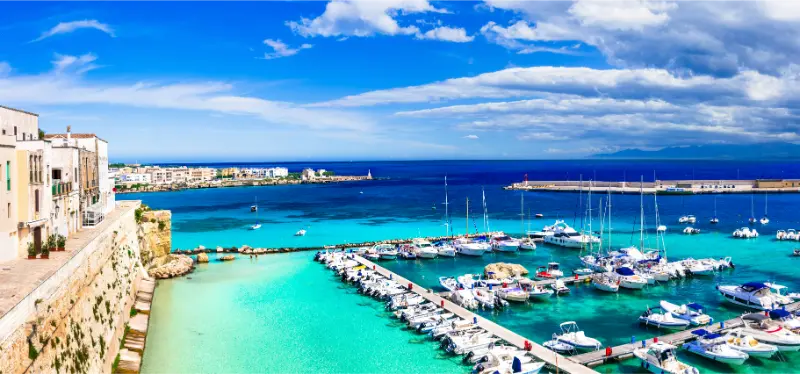
The strip between the seafront, city beach and old town is arguably the easiest compromise. You can reach restaurants and historic sights on foot while still having the water close enough for an early swim. It is particularly convenient when arriving by train or transfer and you do not want to organise parking every day.
Pros
- Beach and old town both close
- Easy for short stays
- Good choice without a car
Cons
- Less quiet in peak season
- Some rooms face busy streets
- Beach space can feel crowded in July and August
Accommodation picks
Hotel Miramare Otranto — A practical seafront option for travellers who want the water and town centre within a short walk.
Vittoria Resort Pool & Spa — A larger central property that suits travellers who want resort-style facilities while remaining close to the old town.
Modern town and station side — best for practicality
West of the old centre the town becomes more residential and less postcard-like, but logistics improve. This is worth considering if you are arriving with luggage by rail, driving regularly to other Salento destinations or looking for better value than the most atmospheric lanes beside the castle.
Pros
- More practical for trains and road trips
- Often easier parking
- Good value compared with the historic core
Cons
- Less immediate old-town atmosphere
- You may walk 10–20 minutes for evening sightseeing
- Not the best choice if the room view matters most
Baia dei Turchi and Alimini — best for the beach
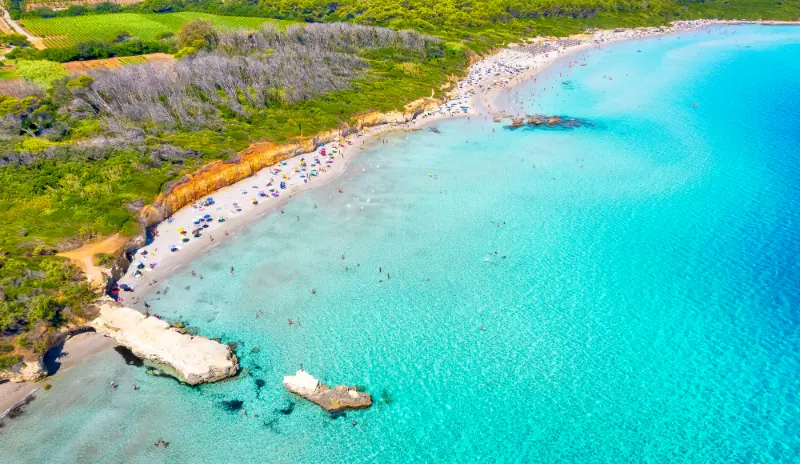
North of Otranto, the coast becomes the reason to stay. Baia dei Turchi and the Alimini area suit travellers who want to wake up close to beaches, spend long hours outdoors and treat Otranto as an evening excursion rather than the centre of every day. Services are highly seasonal, so the experience changes considerably outside summer.
Pros
- Better beach focus than central Otranto
- Nature and space
- Good for longer summer stays
Cons
- A car is extremely useful
- Evening restaurant choice is more scattered
- Summer access and parking need planning
Accommodation picks
Masseria Mongiò dell’Elefante — A refined countryside-and-coast option in the Baia dei Turchi area for travellers who want beach access without staying in the town centre.
Otranto countryside — best for masseria stays
A rural stay outside Otranto works well when the accommodation itself is part of the holiday. You trade evening walks from your doorstep for olive groves, parking, gardens, pools and quieter mornings. This is a strong option for couples and road trips that include Lecce, the Adriatic coast and southern Salento.
Pros
- Space, quiet and easy parking
- Pools and rural atmosphere
- Excellent road-trip base
Cons
- Car essentially required
- Dinner normally involves driving or staying on property
- Not ideal for travellers prioritising nightlife
Accommodation picks
Masseria L’Uliveto — An agriturismo just outside Otranto that fits travellers wanting a quieter rural base while remaining close to town.
Which Otranto Area Should You Choose?
- First visit: choose the most walkable central area unless the beach is the main purpose of the holiday.
- Couples: prioritise the historic centre, a boutique property or a countryside stay with character.
- Families: look for easy beach access, parking, family rooms and a location that avoids repeated daily transfers.
- Without a car: stay close to the historic centre, station or main waterfront rather than saving money in a remote property.
- Road trip: parking and quick road access often matter more than being inside the oldest streets.
- High summer: check ZTL rules, parking and beach access before comparing room rates.
Where to Stay in Otranto Without a Car
Choose the historic centre, waterfront or station side. Otranto is compact enough that a car can become more burden than benefit if your plan is simply to enjoy the town and take occasional organised excursions.
Where to Stay in Otranto With a Car
With a car, the most interesting choices expand dramatically: Alimini, Baia dei Turchi and rural masserie become realistic, but confirm parking before booking and never assume an old-town address includes vehicle access.
How Many Nights Should You Stay in Otranto?
Two nights work well for a first visit; three to five nights make sense if Otranto is your beach base for the eastern Salento coast.
Booking Tips That Matter More Than the Star Rating
Read the location description carefully rather than trusting a map pin at first glance. In Puglia, one kilometre can mean a pleasant seafront walk, a road without pavement or a steep old-town route with luggage. Check the actual walking route to the beach, station and historic centre.
If you are driving, confirm whether parking is on site, reserved nearby or simply public street parking. Those are very different advantages in July and August. In historic centres, ask how luggage drop-off works if a ZTL prevents you from reaching the door.
For summer beach stays, air conditioning, shade, breakfast timing and access to a beach or pool can affect the holiday more than a decorative room. For spring and autumn, restaurant opening days and transport are often more important than lido services.
Book special masserie, family rooms and beachfront properties earlier for late July and August. Outside peak season, you usually gain flexibility, but do not assume every resort facility or beach service operates in April, October or winter.
Related Puglia Guides
- Otranto Travel Guide — sightseeing, transport, beaches and practical planning.
- Where to Stay in Salento — choose the wider area before committing to one base.
- Getting Around Puglia — trains, buses and when a car is genuinely useful.
Frequently Asked Questions
What is the best area to stay in Otranto for a first visit?
For most first-time visitors, the best choice is the walkable central zone because it lets you understand the destination before you start driving to beaches and day-trip stops.
Is it better to stay in Otranto centre or near the beach?
Choose the centre for restaurants, evenings and short stays; choose the beach zone when swimming is the main reason for the holiday and you are comfortable travelling into town for dinner or sightseeing.
Do I need a car in Otranto?
Not always. A central stay can work well without a car, but a vehicle becomes far more valuable when you move to remote beaches, masserie, countryside or a multi-base Salento/Gargano road trip.
Should I book hotels months in advance?
For July and August, particularly family rooms, beachfront hotels and distinctive masserie, early booking gives you much more choice. June and September are easier but still popular.
Are hotel prices stable through the year?
No. Rates can change sharply with season, events, weekends and room availability. For that reason this guide uses relative categories and current availability links rather than publishing fixed nightly prices.
Our Recommendation for Otranto
Do not choose accommodation by star rating alone. Decide what you want to do after breakfast and after dinner, then pick the area that makes those moments easy. A slightly simpler hotel in the right location usually creates a better trip than a more luxurious property that forces you into unnecessary driving every day.

A Few Details That Often Change the Decision
Think about the final hour of each day. If you like going out for dinner and a drink, paying slightly more for a walkable base often saves money on taxis and removes the stress of parking. If you prefer quiet evenings by a pool, the same central premium may be wasted.
Also check the room type, not only the property. In historic buildings, rooms in the same hotel can differ greatly in stairs, views, noise and natural light. Families should confirm actual bed configuration rather than assuming a “family room” means two separate sleeping areas.
Finally, compare cancellation terms. Puglia trips often involve several bases, and one flight or rental-car change can affect the whole route. A slightly higher flexible rate can be worthwhile when your itinerary is complicated.